

Chiropractic Care for Kids: What Parents Should Know
Somewhere between "eat your vegetables" and "don't forget your library book," most parents also end up asking: is this the kind of thing a chiropractor should look at? Little spines go through a lot — tumbles off bikes, backpacks stuffed like Thanksgiving suitcases, hours hunched over tablets. It's a fair question. It just doesn't have a simple, one-size-fits-all answer, and that's worth being upfront about.
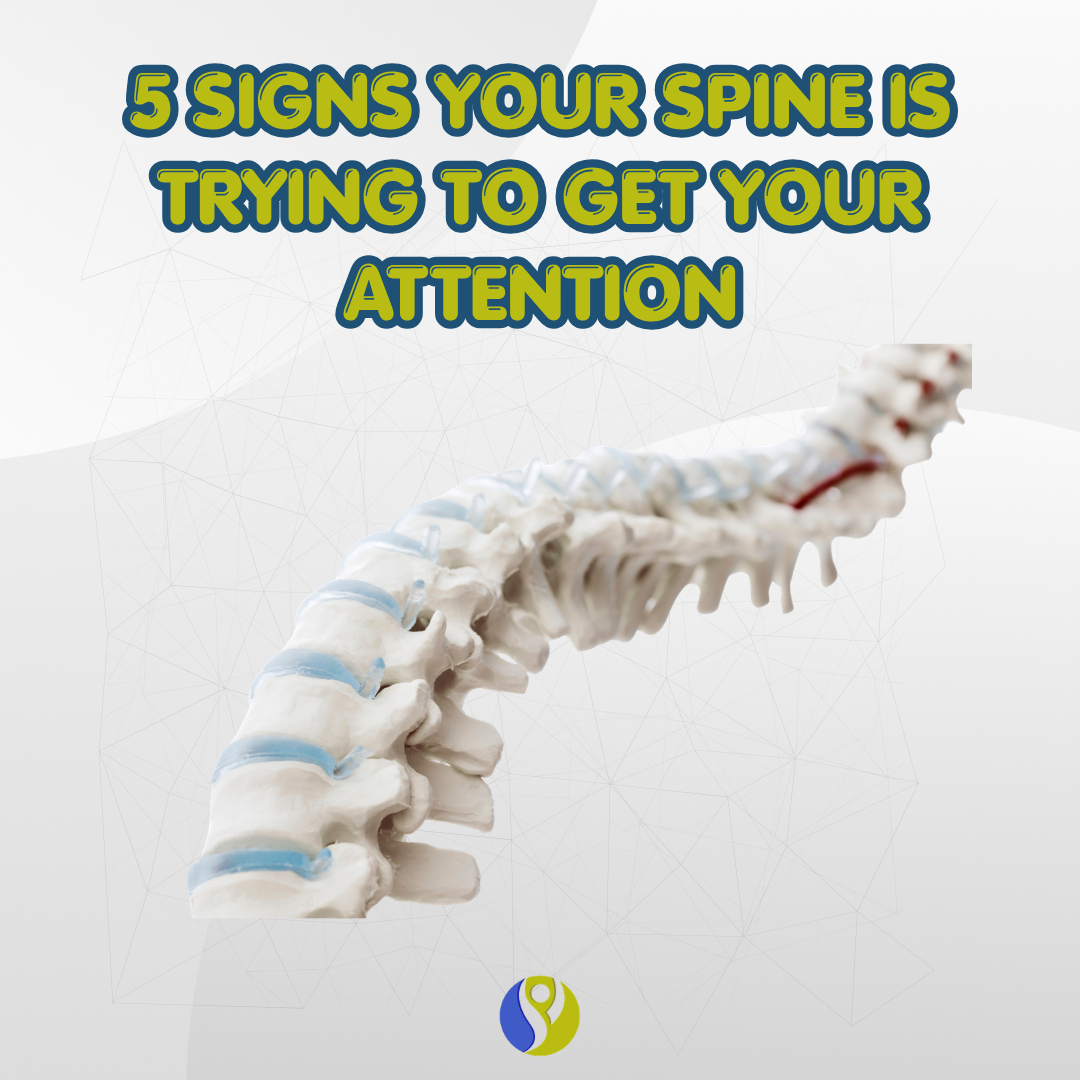
5 Signs Your Spine Is Trying to Get Your Attention
Your spine doesn't have a check-engine light. No little icon pops up on your forehead when a disc is unhappy or a joint is stiff. Instead, it sends much subtler memos. Most of us are excellent at ignoring memos. Here are five signals worth actually reading, based on guidance from Johns Hopkins Medicine and the National Institutes of Health.
Back-to-School Backpack Safety: How To Avoid Becoming a Human Pack Mule
Every August, backpacks across the country quietly transform from "school bag" into "small piece of checked luggage." Textbooks, a laptop, a water bottle the size of a fire extinguisher, an emergency hoodie, three loose pencils rolling around at the bottom — it adds up fast. And it adds up on a spine that's still under construction.
Gardening Season: Stretches to Do Before and After Yard Work (Because Your Spine Didn't Sign Up to Be a Garden Tool)
Gardening has a reputation as a gentle, meditative hobby. Your lumbar spine would like to file a formal complaint about that reputation.
Here's the good news: a few minutes of stretching before and after yard work is backed by real research, not just something your chiropractor says to sound thorough.
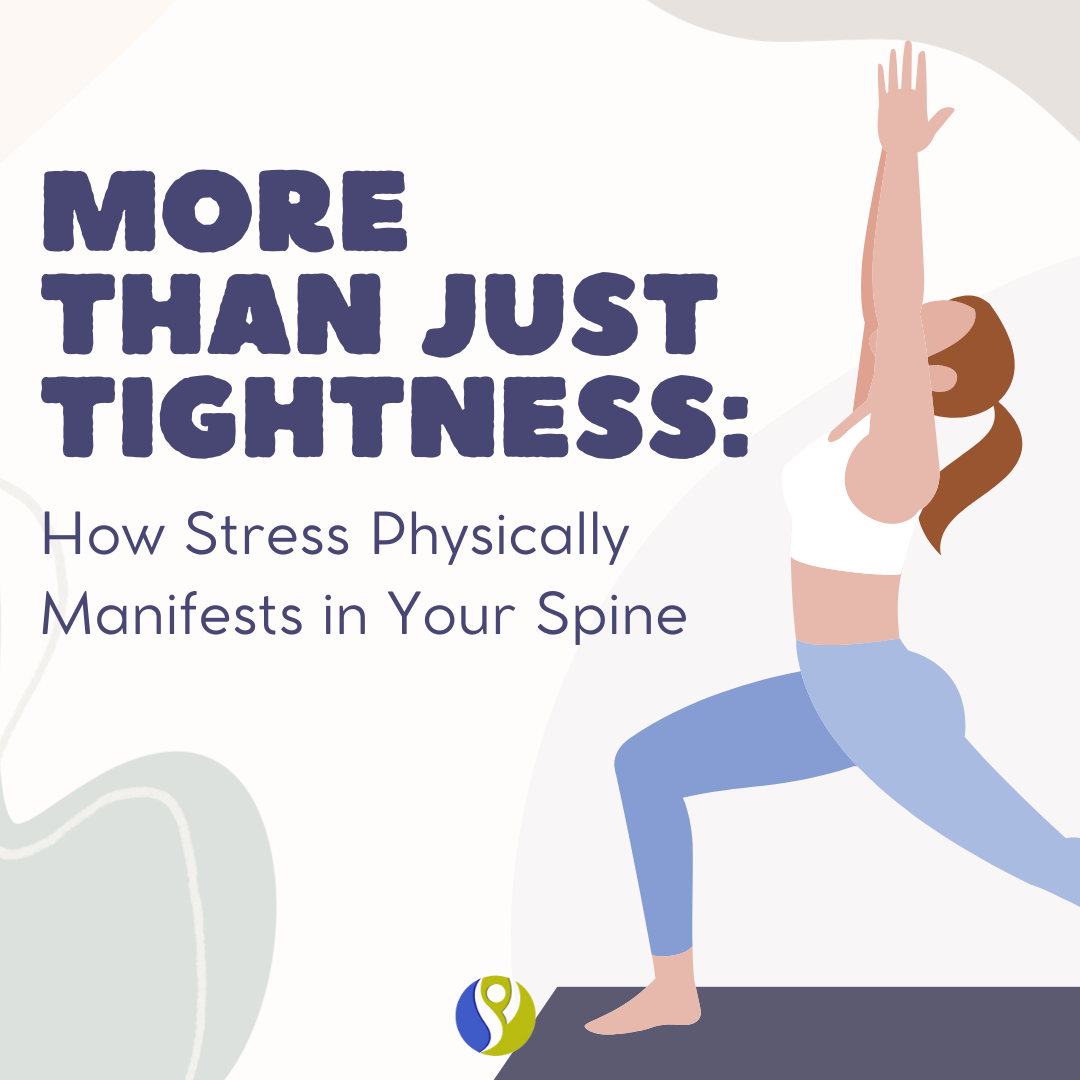
More Than Just Tightness: How Stress Physically Manifests in Your Spine
Stress doesn't politely stay in your head where it belongs. Stress often travels down the neck, along the shoulders, into the low back. The research on exactly how it does that is more specific than you'd expect.
Chiropractic Care and X-Rays: When They're Needed (and When Your Spine Would Rather You Didn't Bother)
If you walk in with ordinary low back pain and no alarming symptoms, current guidelines are blunt about it: skip the X-ray.
Once You Start Chiropractic Care, You Can Never Stop: Debunking Chiropractic's Most Persistent Myth
Somewhere between "cracking your knuckles causes arthritis" and "you swallow eight spiders a year in your sleep," there lives a myth so sticky it deserves its own adjustment: once you start seeing a chiropractor, your spine becomes hopelessly dependent, and you're doomed to a lifetime of appointments.
Let's take this myth to the mat (a padded chiropractic table, specifically) and see what actually holds up.
Holiday Travel Survival Guide: Keeping Your Back Happy on Long Flights Out Of SAN
Air travel is a uniquely effective mechanism for producing back pain. Prolonged sitting, fixed posture, low cabin humidity, reduced circulation, and the physiological effects of pressurized cabins combine to create conditions your lumbar spine would not have chosen for itself. The research on all of this is both illuminating and slightly alarming. Let's go through it.
Surviving Comic-Con: How to Prep Your Body For all the Cosplay Chaos
Every July, roughly 135,000 people descend on the San Diego Convention Center for Comic-Con International. They come for panels, exclusives, celebrity sightings, and the singular experience of waiting in a line for four hours to get into a room to wait in another line. It is, by every objective measure, a marvel of human enthusiasm. It is also, from a musculoskeletal standpoint, a four-day endurance event that most attendees are spectacularly unprepared for.

Marine Layer Let Down: How the Marine Layer and Cold Ocean Water Affect Joint Pain (and what to do about it)
San Diego is supposed to be sunny. So why does your knee ache every June? It's not a conspiracy — it's meteorology, and the science is more interesting than you'd expect.
Chiropractic care for cyclists: keeping the Bayshore Bikeway crowd pain-free
San Diego's cycling scene is spectacular — and spectacularly good at producing neck, back, and knee pain. Here's what the research says about why, and what to do about it.
Dear weekend warrior: your body called, it would like a word about Saturday
Welcome to the weekend warrior lifestyle. It is more common than you think, more scientifically validated than you might expect, and more likely to result in a shoulder strain than either of those facts would suggest.
Your hips and knees are not broken, they're just underprepared: a runner's guide to injury prevention on San Diego trails
Evidence-based strategies for keeping your joints happy across every mile from Torrey Pines to Mission Trails — and yes, the research is more interesting than it sounds.

You're Taller in the Morning (And Why That's Dangerous)
This article explains the science, the risks, and — most importantly — what you should be doing in those first groggy minutes after waking up, before your fully hydrated and therefore gloriously pressurized spine meets the demands of the day.
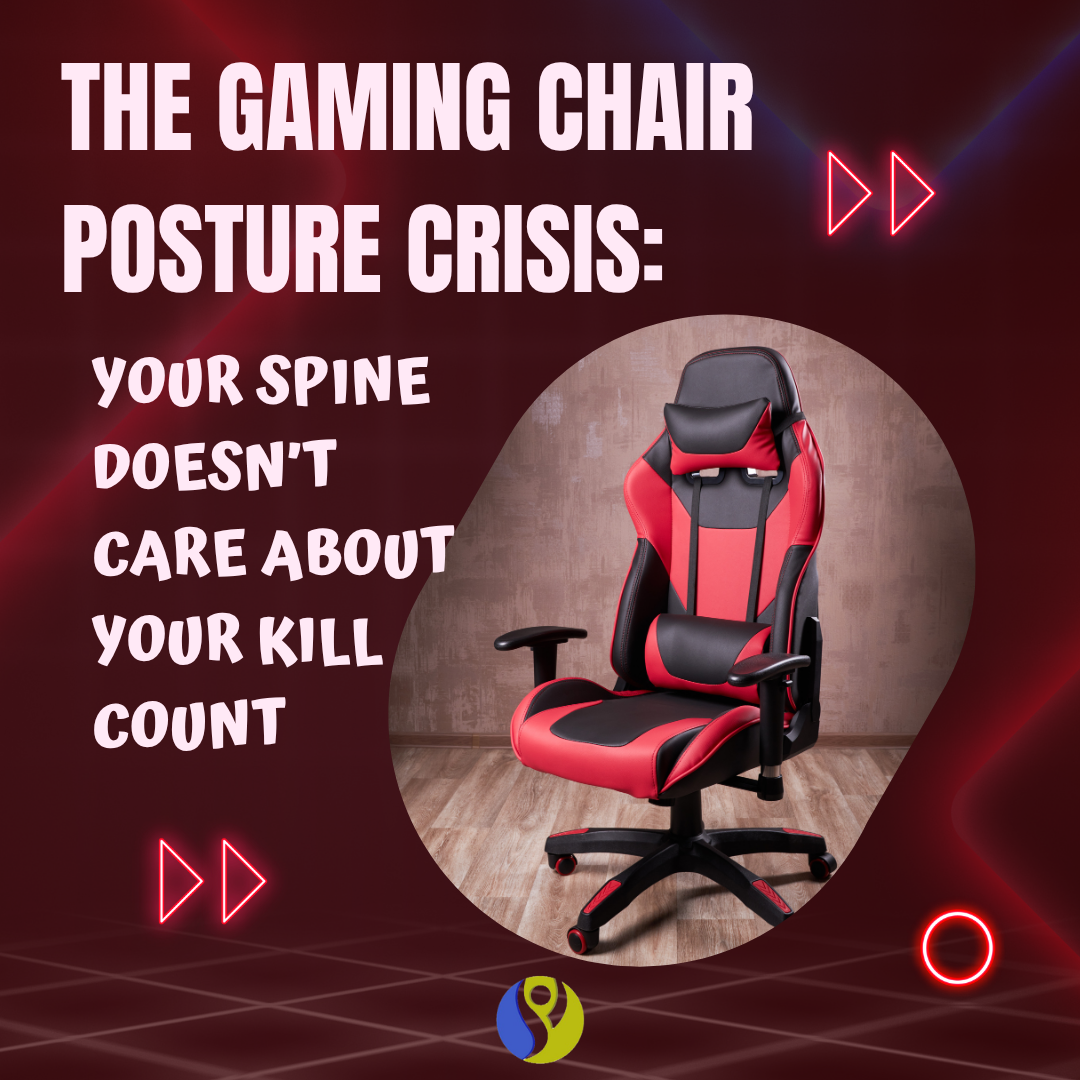
The Gaming Chair Posture Crisis: Your Spine Doesn’t Care About Your Kill Count
This article, meticulously researched, moderately alarmed, and occasionally amused explores what the peer-reviewed science tells us about the physical toll of competitive gaming, why the gaming chair is not the ergonomic savior it was marketed to be, and what chiropractors and allied health professionals can do to help a generation of athletes who never leave their desks.
Your Body in Space: A Comedy of Physiological Errors
This article explores what the science actually tells us about what happens to the human body during spaceflight, the extraordinary exercise regimens astronauts use to fight back, and what greets them and their thoroughly confused bodies upon return to Earth.

Sink or Swim: The Science Behind Water Polo
Whether you're a coach, an athlete, a sports medicine professional, or just someone who stumbled here from a very specific corner of the internet. The breakdown of water polo's biomechanics and injury landscape is for you.
🌊 Don’t Wipeout: A Biomechanical and Psychological Ride Through the Waves
Surfing is basically a full‑body workout disguised as a good time. Peer‑reviewed research shows that surfing requires coordinated upper‑body endurance, explosive lower‑body power, and core stability that would make a Pilates instructor nod approvingly.
🏀 Mechanical Madness: The Biomechanics of Basketball & the Injuries That Try to Bench You
Let’s break down how the body moves on the court, why it sometimes breaks down, and what science says about keeping yourself in the game.

🥎⚾ The Throwdown: Softball vs. Baseball Mechanics Explained
If you’ve ever watched a baseball pitcher and a softball pitcher side‑by‑side, you’ve probably wondered whether they’re playing the same sport or reenacting two different chapters of human evolution. One looks like he’s trying to hurl a thunderbolt. The other looks like she’s winding up a trebuchet powered by spite and quad strength.