
Hands-On Healing: The Science of Touch and Health
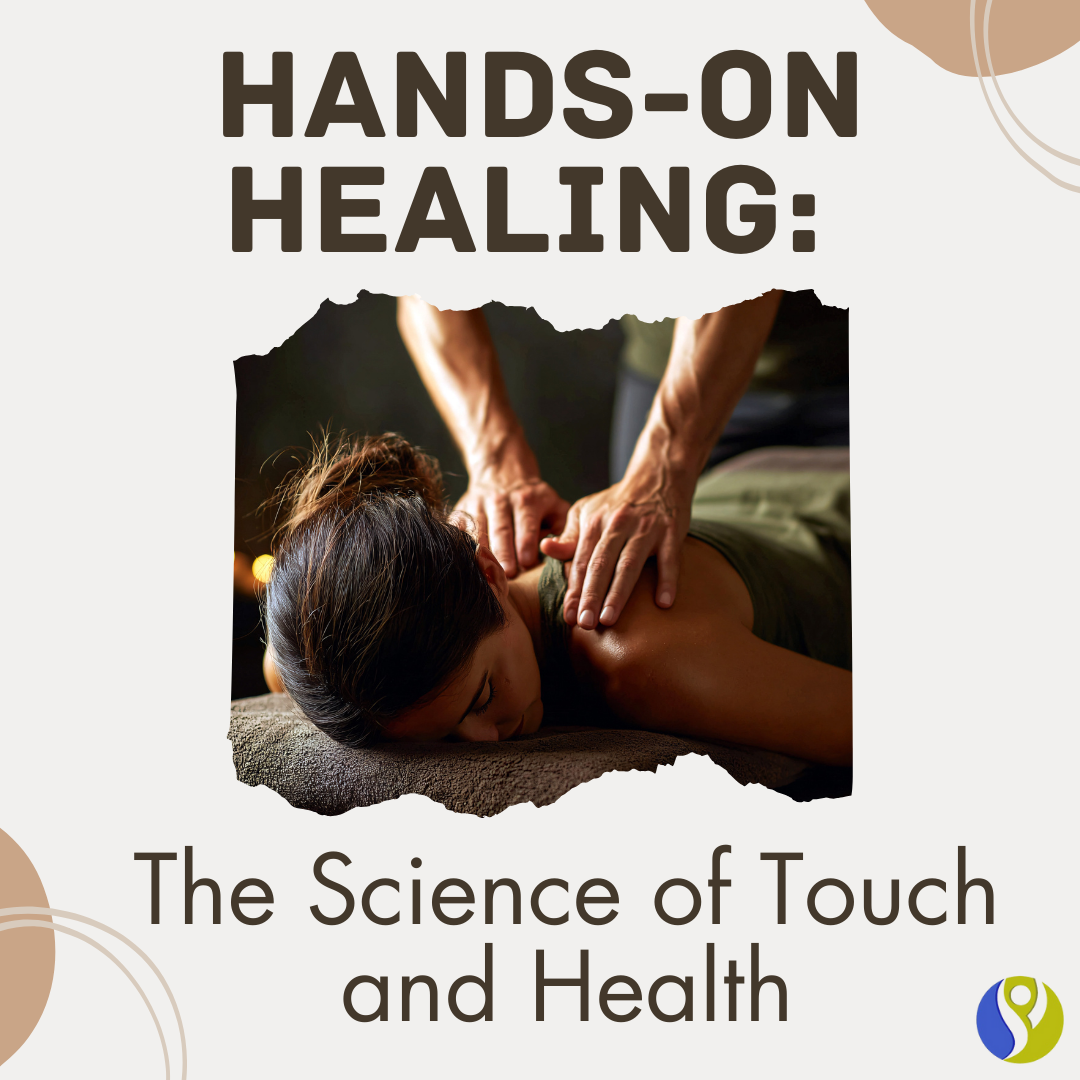
Imagine a world without hugs. Sounds like a cold world to me. Olaf would be devastated. Hugs may instantly make stressful situations 12% more tolerable.
Can you imagine a touchless massage? Doesn’t sound healing to me.
If touch weren’t essential for human health, babies wouldn’t fail to thrive without it. Touch is very important for healthy babies.
Touch is not emotional fluff, touch is hardwired neurobiology.

Touch Is a Nervous System Input
The skin is the largest sensory organ in the body. Skin communicates directly with the brain through specialized nerve fibers, including C-tactile (CT) afferents, which respond specifically to slow, intentional, non-threatening touch.
C-tactile (CT) afferent fibers work to activate the parasympathetic pathways (rest and digest). The fibers also reduce our stress hormone, cortisol, and increase oxytocin. Oxytocin is a bonding and calming chemical. C-tactile (CT) afferent fibers also modulate pain perception.
In other words, touch tells your nervous system: “You are safe enough to regulate.”

What Happens When Touch Is Absent
Life without touch has consequences on our bodies. Touch deprivation has been associated with:
Increased anxiety and depressive symptoms
Heightened pain sensitivity
Poor immune regulation
Dysregulated stress responses
We see this occur in several different settings:
Neonatal care
Trauma recovery
Chronic pain populations
Elderly individuals living alone
Humans are not designed to function in sensory isolation, especially not in pain.
Chiropractic Care and Therapeutic Touch
Chiropractic care provides purposeful, skilled, clinical touch. This holistic type of healthcare isn’t just casual contact; it’s neurologically meaningful.
Chiropractic care may:
Calm an overactive nervous system
Improve body awareness
Reduce protective muscle guarding
Improve tolerance to movement
Note, chiropractic care does not replace mental health care, it complements neurophysiological regulation.

Bottom Line
Touch is not a luxury.
Touch is how the nervous system remembers how to feel human.
References
McGlone F et al. Affective touch and the neurobiology of affiliation. Nat Rev Neurosci.
Field T. Touch for socioemotional and physical well-being. Dev Rev.
NIH. Social connection and health.