
Fall Sports Injuries in Young Athletes: What Parents Should Know

Football, soccer, and cross-country keep families busy in the fall. Here is what the research says about the injuries that show up most often and how to lower the risk.
Overuse is the biggest culprit
The American Academy of Pediatrics estimates that about 50% of sports injuries in kids come from overuse, meaning repetitive stress rather than one hard collision. The most frequent injuries in U.S. children and teens are sprains (ligament injuries) and strains (muscle injuries). In CDC data on high school sports, the overall injury rate was 2.44 per 1,000 athlete exposures, and American football had the highest rate of any sport. Preventing Overuse Injuries in Young Athletes: AAP Policy Explained - HealthyChildren.org +2
Sport by sport
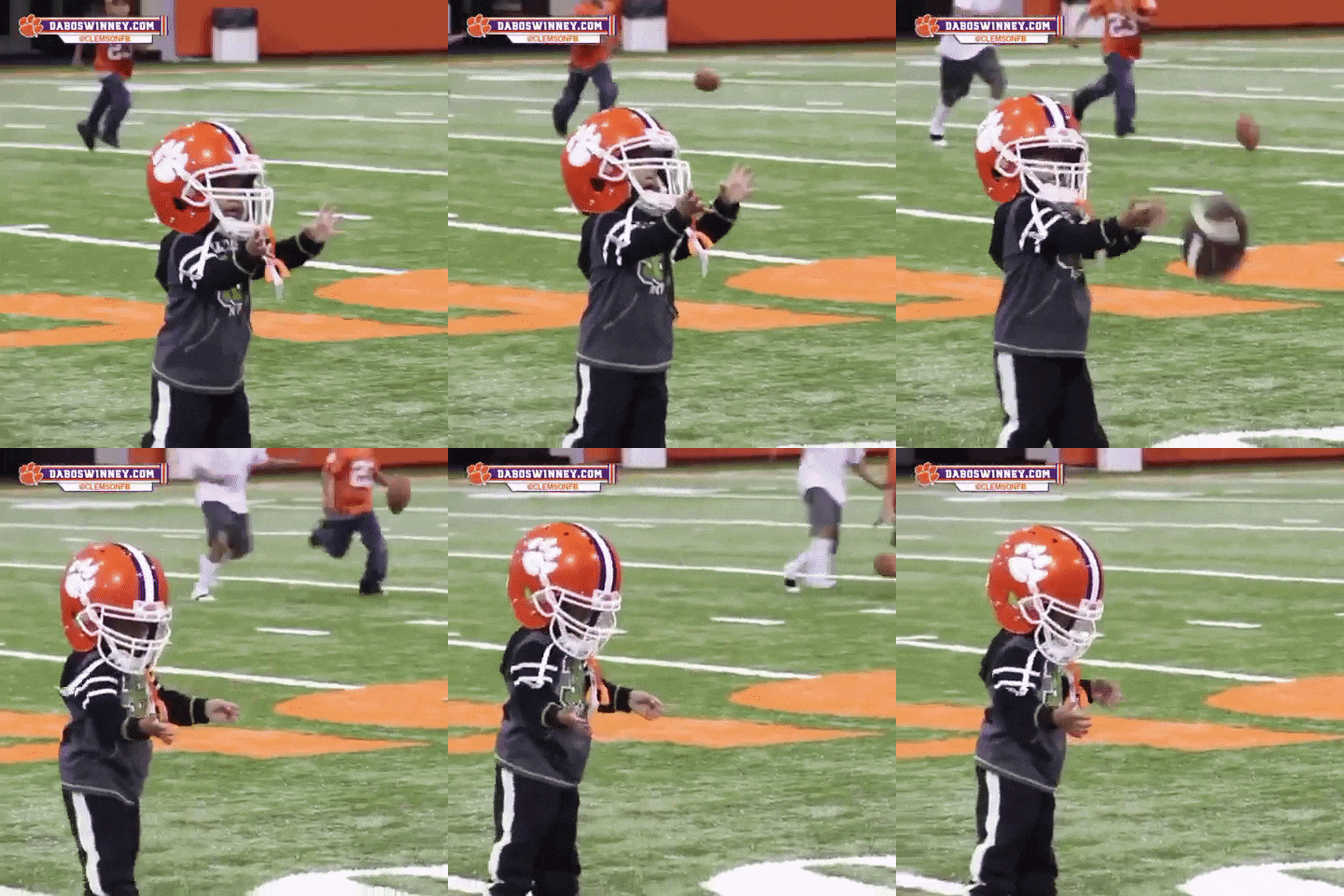
Football. One study of concussion in football found the one-season concussion risk was highest at the high school level, about 10% in 2012, compared with roughly 3% in youth football. Any suspected concussion needs prompt medical evaluation, and the athlete should not return to play the same day. science
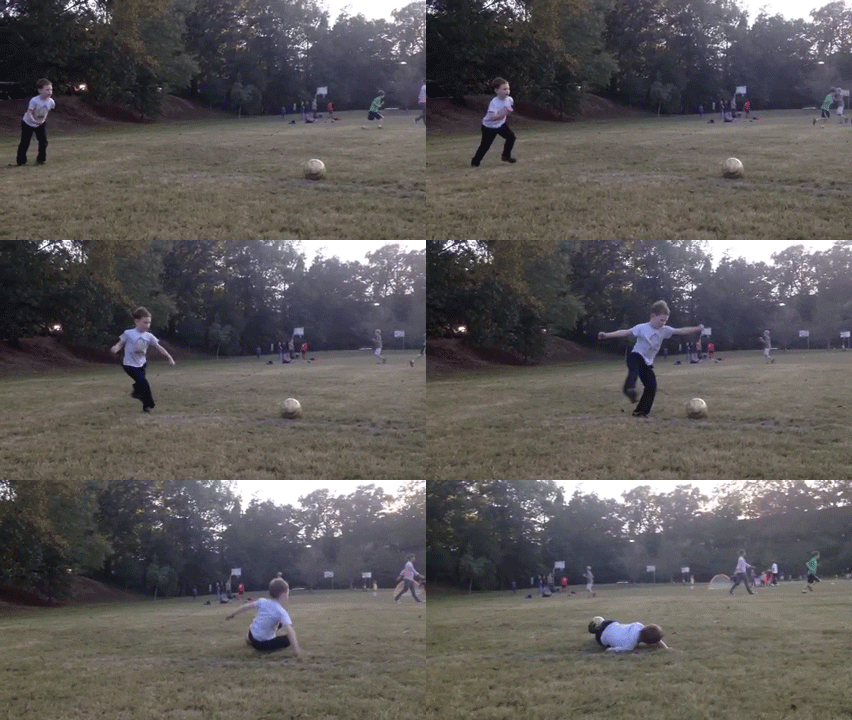
Soccer. Common injuries include sprains, strains, muscle contusions, and more serious problems such as ACL tears, fractures, and concussions. A review of structured warm-up programs (FIFA 11+ and FUNBALL) found that they significantly reduce injury rates, particularly severe and overuse injuries. nihnih
Cross-country. In high school runners, the shin and knee are the most commonly injured areas. In one study of high school runners, tibial stress injuries, ankle sprains, and patellofemoral (kneecap) pain were the three most common previous injuries. Seasonal injury rates in prospective studies ranged widely, from 34–47% for girls and 26–48% for boys. Frontiersin +2
How to help prevent injuries
Build up gradually. Slow increases in training load as the season progresses can reduce the chance of overuse injuries. healthychildren
Encourage variety. Playing a mix of age-appropriate sports helps avoid overuse injuries. Children's Healthcare of Atlanta notes that the AAP advises against sport specialization until age 15 or 16. healthychildrenchoa
Build rest into the week. Rest periods during practice and games reduce injuries and help prevent heat illness. healthychildren
Use a warm-up. Ask coaches about a neuromuscular warm-up program.
Don't ignore pain. Overuse injuries often start subtly. Pain that lingers, worsens, or changes how your child moves deserves an evaluation.
Worried about a nagging ache? Our office can screen your athlete's movement, posture, and biomechanics, and refer for imaging or other care when it's needed. Call to book a sports screening.
Sources: American Academy of Pediatrics (HealthyChildren.org); PMC/NIH (epidemiology of youth musculoskeletal injuries; FIFA 11+/FUNBALL review); Frontiers in Sports and Active Living; Children's Healthcare of Atlanta.