
Pumpkin Carving Posture (and Hand Safety) for a Pain-Free Halloween
Carving a jack-o'-lantern is a family tradition. It can also mean a stiff neck, an aching back, and, more seriously, a trip to the emergency room.
The Hand-Injury Problem
A study of national emergency department data from 2012 to 2021 found these injuries are common and predictable. Almost all of them (98.9%) happened in the fall months. Injuries peaked on October 30th, and most emergency visits fell on Saturdays and Sundays. Girls and young women ages 10 to 19 were the most commonly injured group. Pumpkin carving knife injuries: National incidence and trends of hand injury - ScienceDirect +2
The cause is usually the same: carvers push hard to get through the tough rind, the knife slips, and the non-dominant hand holding the pumpkin gets cut. The researchers concluded these injuries are common and preventable. Hand injuries can be serious. Reaching inside the pumpkin while cutting can put a hand in the path of the blade, causing anything from a skin cut to damage to a tendon, nerve, or muscle. Pumpkin carving knife injuries: National incidence and trends of hand injury - ScienceDirect +2
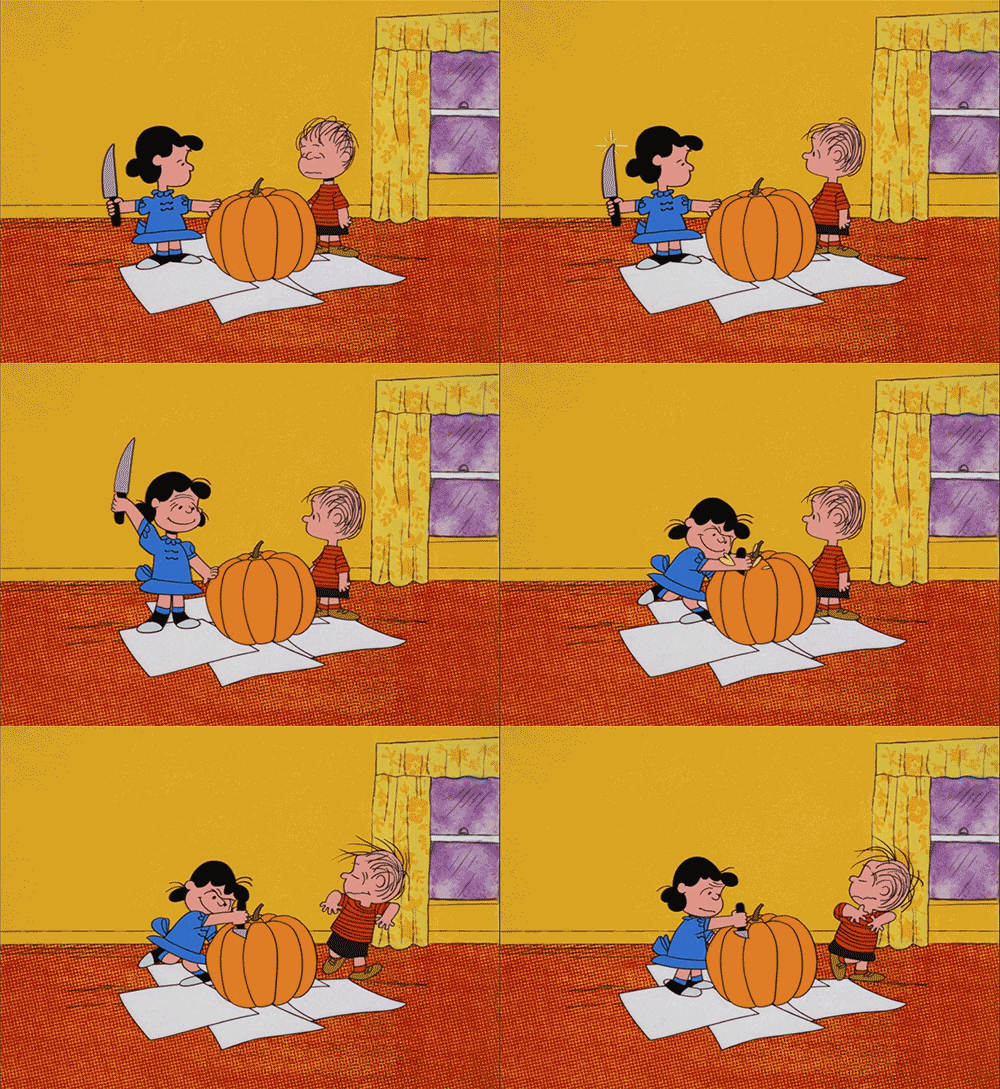
Safer Carving Tips
Keep your hand out of the pumpkin. Leave the lid on so you can steady the pumpkin from above, and use a sawing motion. brownhealth
Dry everything. Injuries happen when hands, the pumpkin, or the tools are wet. Wipe down the pumpkin and your hands. cbc
Use a proper carving kit rather than a kitchen knife. Its tools are designed for the job.
Adults do the cutting. Children under 14 shouldn't handle sharp tools. Let kids draw designs and scoop seeds instead. brownhealth
Know when to get help. Go to the emergency room for numbness in the fingers, inability to move them, or bleeding that doesn't slow with 15 minutes of continuous pressure. oamichigan
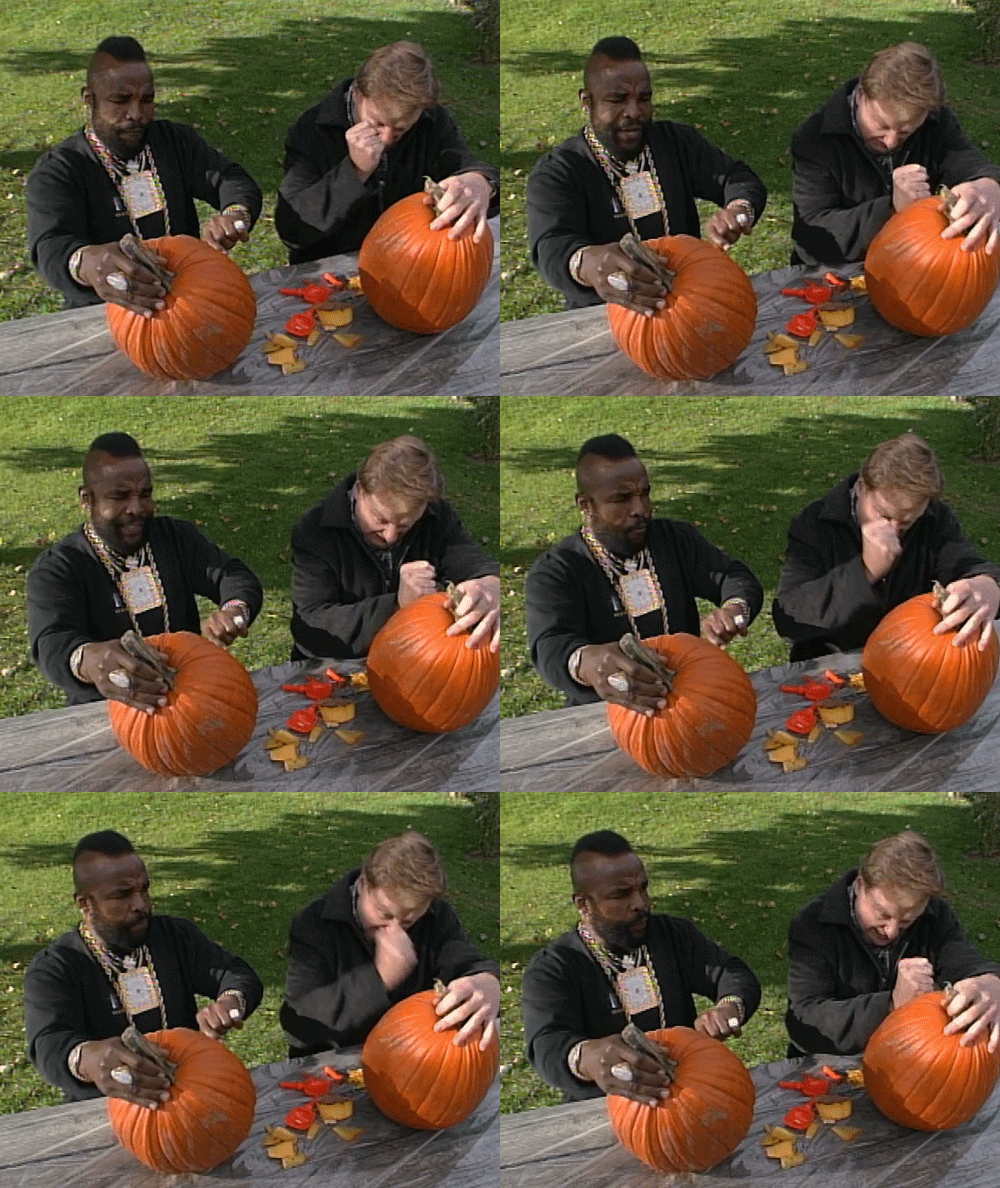
Posture Tips
The research above is about hand safety. Posture during carving hasn't been well studied, so these are practical ergonomics rather than research findings:
Carve at a table at a comfortable height instead of hunching over the floor or a low coffee table.
Take a break every 15 to 20 minutes. Stand, roll your shoulders, and gently stretch your neck and wrists.
Sit with your feet flat and your back supported.
Alternate hands and tasks, such as scooping, drawing, and cutting, so no single position or grip gets overloaded.
Sore after the weekend? If your neck, back, or wrist ache after a marathon carving session, our office can help. Book an appointment before the trick-or-treaters arrive.
Sources: PubMed (Am J Emerg Med, 2022: "Pumpkin carving knife injuries: national incidence and trends of hand injury"); Brown University Health; orthopaedic hand-surgery guidance.